Pt–TiO2–Nb2O5 heterojunction as effective photocatalyst for the degradation of diclofenac and ketoprofen

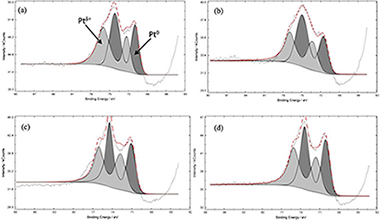
Pt–TiO2–Nb2O5 heterojunction was synthetized and studied for the photocatalytic removal of diclofenac (DCF) and ketoprofen (KTF) under UV light irradiation. The physical-chemical properties of the prepared catalysts were analysed by different characterization techniques revealing that the lowest platinum nanoparticle size and the better metal distribution was observed in Pt–TiO2–Nb2O5 sample. The Pt–TiO2–Nb2O5 heterojunction possessed the best photocatalytic activity…

Role of particle size on the multicycle calcium looping activity of limestone for thermochemical energy storage

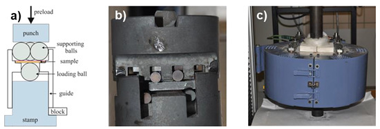
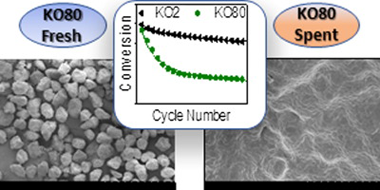
The calcium looping process, based on the reversible reaction between CaCO3 and CaO, is recently attracting a great deal of interest as a promising thermochemical energy storage system to be integrated in Concentrated Solar Power plants (CaL-CSP). The main drawbacks of the system are the incomplete conversion of CaO and its sintering-induced deactivation. In this work,…

Localized surface plasmon effects on the photophysics of perovskite thin films embedding metal nanoparticles

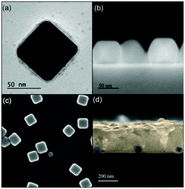
Herein we provide direct experimental evidence that proves that the photophysical properties of thin methylammonium lead iodide perovskite films are significantly enhanced by localized surface plasmon resonances (SPRs). Observations are well supported by rigorous calculations that prove that improved light harvesting can be unequivocally attributed to plasmonic scattering and near field reinforcement effects around silver…

Preparation of ZnFe2O4/ZnO composite: Effect of operational parameters for photocatalytic degradation of dyes under UV and visible illumination

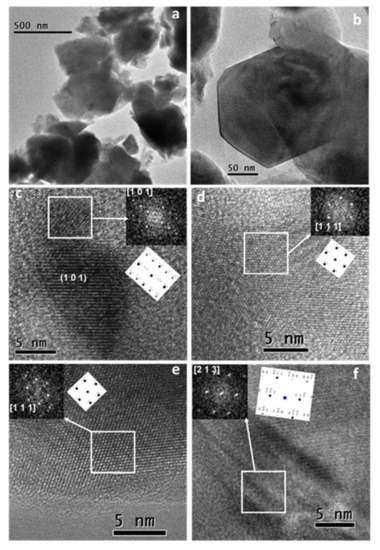
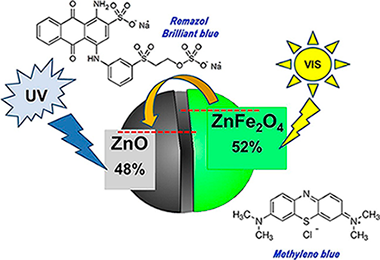
An ZnFe2O4/ZnO composite catalyst was prepared by solution combustion method. In this study, one nominal molar percentage of iron was used in the synthesis, corresponding to 20 % molar relative to ZnO. The samples were characterized by X-ray diffraction (XRD), X-ray photoelectron spectroscopy (XPS), X-ray Fluorescence (XRF), Scanning Electronic Microscopy (SEM), Transmission Electronic Microscopy (TEM)…

Role of Fe(III) in aqueous solution or deposited on ZnO surface in the photoassisted degradation of rhodamine B and caffeine

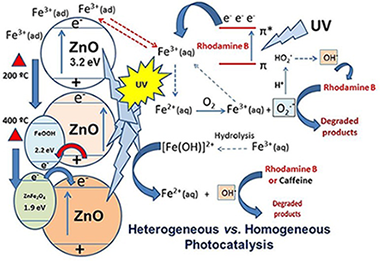
Iron (III) was incorporated, to the surface of a synthesized ZnO, using two nominal molar percentages of Fe (III): 1% and 5% Fe relative to ZnO. Samples dried and calcined at 200 °C and 400 °C for 2 h, were characterized by XRD, XPS, XRF, N2-adsorption-BET and (UV–vis)-DRS. Photocatalytic activities of the catalysts were assessed based on the…

Monolithic stirrer reactor: The selective lactose oxidation in liquid phase over Au/Al2O3 nanostructured catalysts

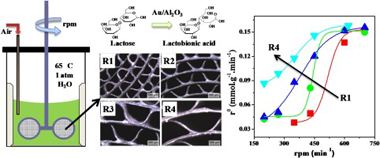
The performance of rotating metallic monolith stirrer reactor was studied for selective lactose oxidation in liquid phase at 65 degrees C, atmospheric pressure and with air as oxidant agent. The Au/Al(2)O(3)deposition on metallic substrates was performed by wash-coating, producing catalyst coating thicknesses between 5 and 20 mu m. Monoliths with different configuration (channel size between…

Catalytic Performance of Bulk and Al2O3-Supported Molybdenum Oxide for the Production of Biodiesel from Oil with High Free Fatty Acids Content

Non-edible vegetable oils are characterized by high contents of free fatty acids (FFAs) that prevent from using the conventional basic catalysts for the production of biodiesel. In this work, solid acid catalysts are used for the simultaneous esterification and transesterification with methanol of the FFAs and triglycerides contained in sunflower oil acidified with oleic acid.…