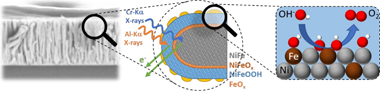
Recent advances in electrocatalysts fabrication by magnetron sputtering for alkaline water electrolysis

Magnetron sputtering (MS) is an emerging technique to prepare electrocatalysts for oxygen and hydrogen evolution reactions that take place in alkaline water electrolysis. It is a physical vapour deposition method that provides a strict control over the composition, chemical state, and microstructure. It permits to adjust complex stoichiometries and guarantees reproducibility. This technology allows to…

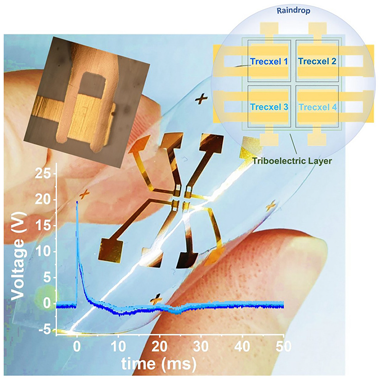
Triboelectric pixels as building blocks for microscale and large-area integration of drop energy harvesters

Triboelectric nanogenerators (TENGs) are the most promising technology for harvesting energy from low-frequency liquid flows and impacts such as rain droplets. However, current drop energy harvester technologies suffer from low output power due to limitations in triboelectric materials, suboptimal device designs, and the inability to fully capture the kinetic energy of falling drops. This article…

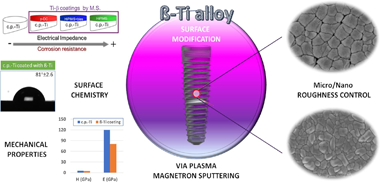
Magnetron sputtered ß-Ti coatings for biomedical application: A HiPIMS approach to improve corrosion resistance and mechanical behavior

This work presents the surface modification of commercially pure Ti specimens (c.p.-Ti) prepared by conventional powder metallurgy by depositing a thin film of a ß-Ti alloy (Ti-35Nb-7Zr-5Ta, wt. %, TNZT). Two types of pulsed technologies: conventional (p-DC) and high-power impulse magnetron sputtering (HiPIMS), with and without bias assistance (−60 V) under similar power conditions (250…

Plasma power-to-X (PP2X): status and opportunities for non-thermal plasma technologies

This article discusses the ‘power-to-X’ (P2X) concept, highlighting the integral role of non-thermal plasma (NTP) in P2X for the eco-friendly production of chemicals and valuable fuels. NTP with unique thermally non-equilibrium characteristics, enables exotic reactions to occur under ambient conditions. This review summarizes the plasma-based P2X systems, including plasma discharges, reactor configurations, catalytic or non-catalytic…

Current Trends on Advancement in Smart Textile Device Engineering

Smart textiles represent a revolutionary approach to wearable technology with applications ranging from healthcare to energy harvesting. This review paper explores the importance of textile technologies and highlights their potential to revolutionize consumer electronics. Conventional technologies are sometimes heavy, and lack comfort and flexibility, but smart textiles seamlessly integrate into everyday clothing, improving wearability and…

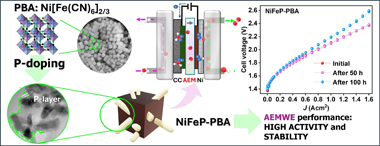
P-functionalization of Ni Fe − Electrocatalysts from Prussian blue analogue for enhanced anode in anion exchange membrane water electrolysers

Efficient hydrogen generation from water-splitting is widely acknowledged as a priority route to promote the hydrogen economy. Anion exchange membrane water electrolyzers (AEMWE) offer multiple advantages in improving performance and minimizing the cost limitations of current electrolysis technologies. However, the persistence of issues related to the limited electrocatalytic activity of such materials and their poor…